Banning highlight
Proximity to the San Gorgonio Pass
The San Gorgonio Pass, 2,600 feet above sea level and carved by the San Andreas Fault, serves as a critical corridor linking Los Angeles with the Coachella Valley and Arizona via Interstate 10.
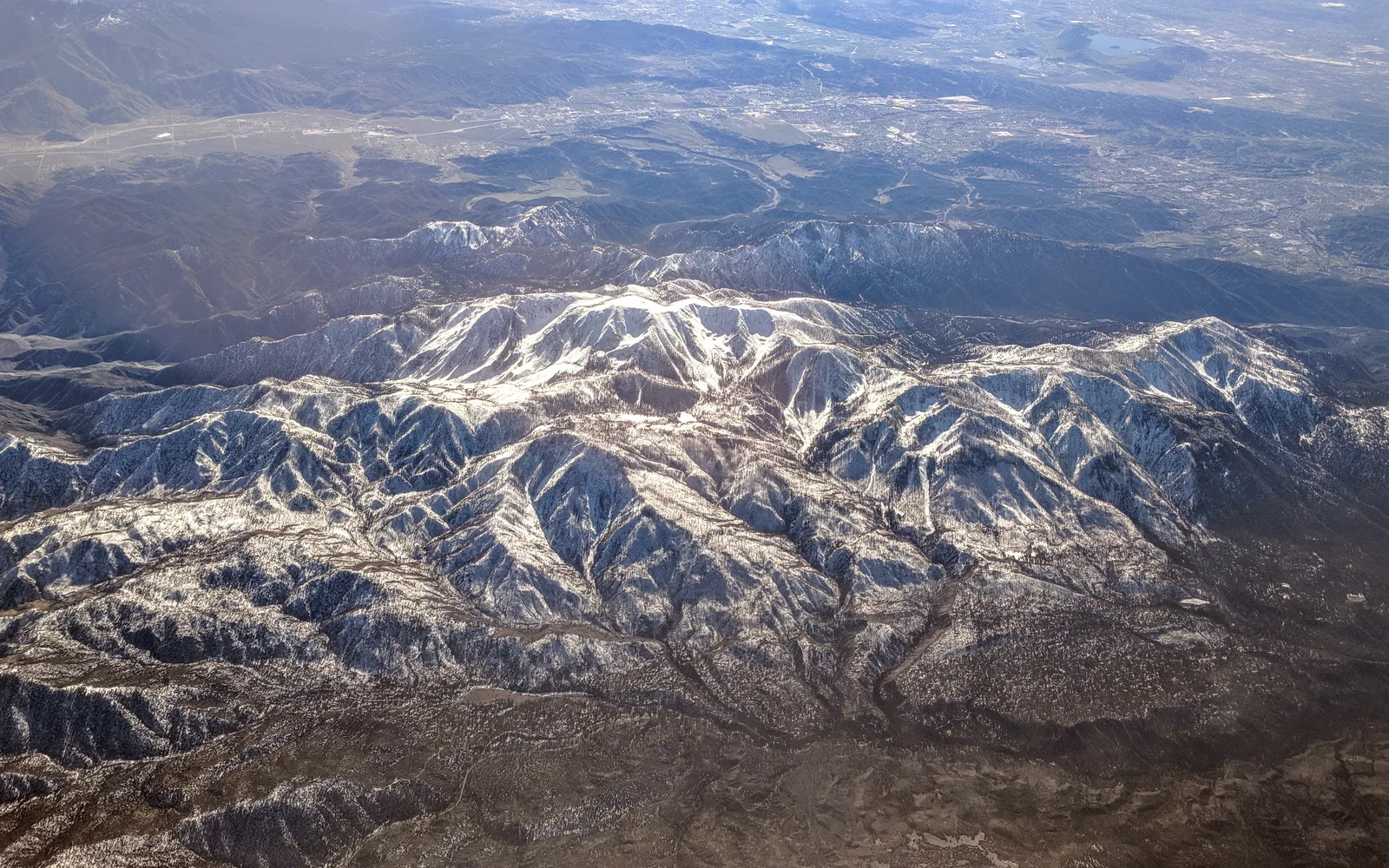
The San Gorgonio Pass, also known as Banning Pass, sits at an elevation of approximately 2,600 feet between two of Southern California's major mountain ranges. It was formed by the San Andreas Fault, the same geological feature that marks the boundary between the Pacific and North American tectonic plates. The pass represents what geologists describe as the single largest discontinuity along the San Andreas fault, and Mount San Jacinto on the southern side contains the fifth-largest rock wall in North America. The mountains rise nearly 9,000 feet above the valley floor, creating one of the deepest passes in the contiguous United States.
Since the 19th century, the pass has served as the principal transportation gateway between the Los Angeles basin and the desert regions to the east. A Union Pacific Railroad line, completed in 1883 and billed as America's second transcontinental railroad, still runs through the pass. In the modern era, Interstate 10 follows the same route, making Banning's location within six miles of the pass summit critical for the entire southern California corridor. The pass also creates a dramatic climate shift: the Mediterranean climate of coastal and western Los Angeles gives way to the desert climate of the Coachella Valley and the Inland Empire.
Geography shapes how communities live and work. Banning's proximity to the pass means proximity to major employment corridors, with I-10 connecting residents to opportunity centers to the west while remaining accessible to the desert lifestyle and recreation to the east. This geographic positioning affects not only where people work but also the financial planning they need to do. A household near a transportation hub often has income stability from multiple employment regions and may need coverage that reflects the geographic and employment diversity they have access to.